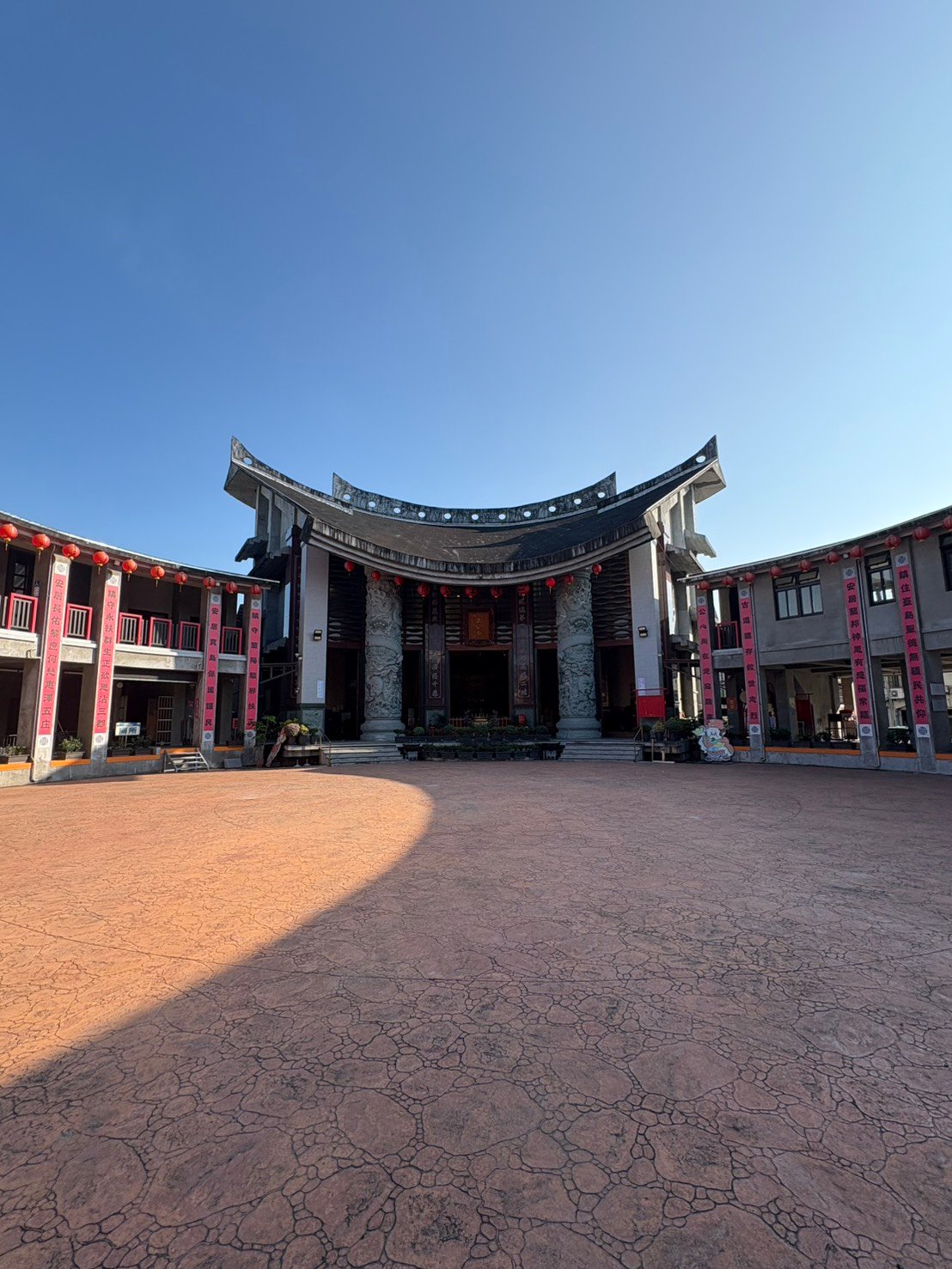
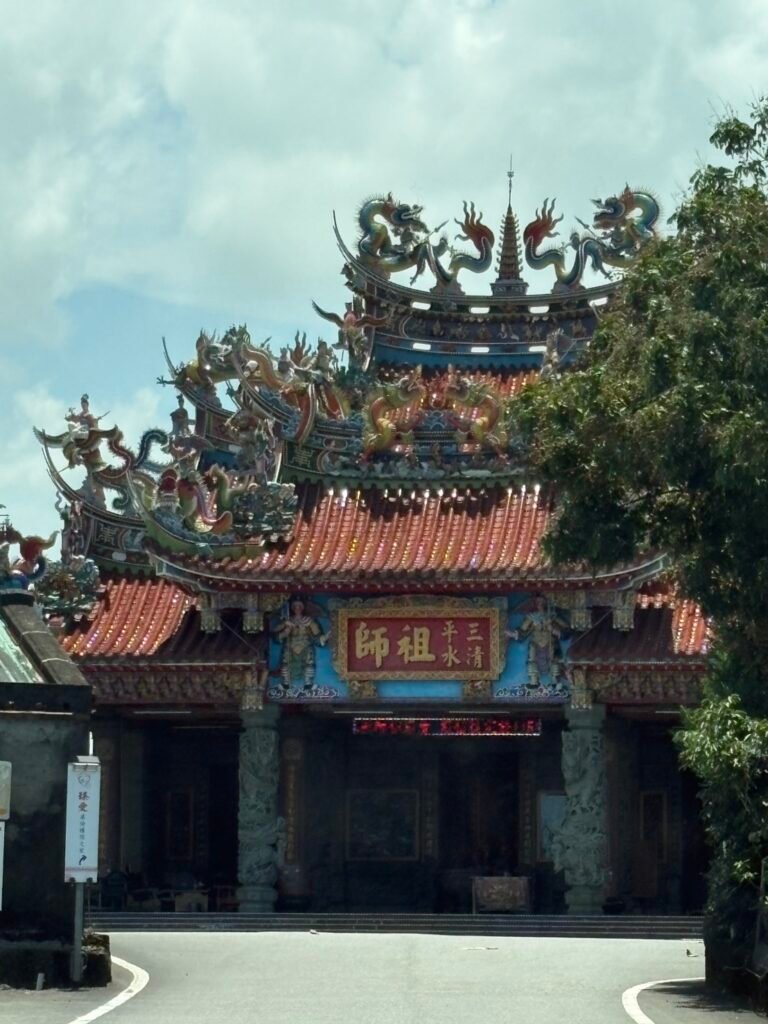
The Erjie Wang Gong Temple (二結王公廟) in Wujie Township Yilan Taiwan, is one of the most important temples in Yilan and the principal temple dedicated to Gu Gong San Wang (古公三王). The temple is famous throughout Taiwan for its annual fire-walking ceremony and for the remarkable 1997 “Thousand-Person Temple Move,” when the old temple structure was physically moved by the local community. The temple’s influence extends well beyond Yilan, and many Gu Gong San Wang temples throughout Taiwan trace their origins back to Erjie.
The story of Gu Gong San Wang begins in Fujian Province, China during the final years of the Southern Song Dynasty. According to tradition, three sworn brothers Liu Xin, Ye Cheng, and Ying Yong organized resistance against the advancing Yuan armies. Following their deaths, they were venerated as protective spirits and eventually became known collectively as Gu Gong San Wang. The cult was brought to Yilan Taiwan by Zhangzhou China settlers and took root in Erjie, where it developed into one of the region’s most important local religious traditions.
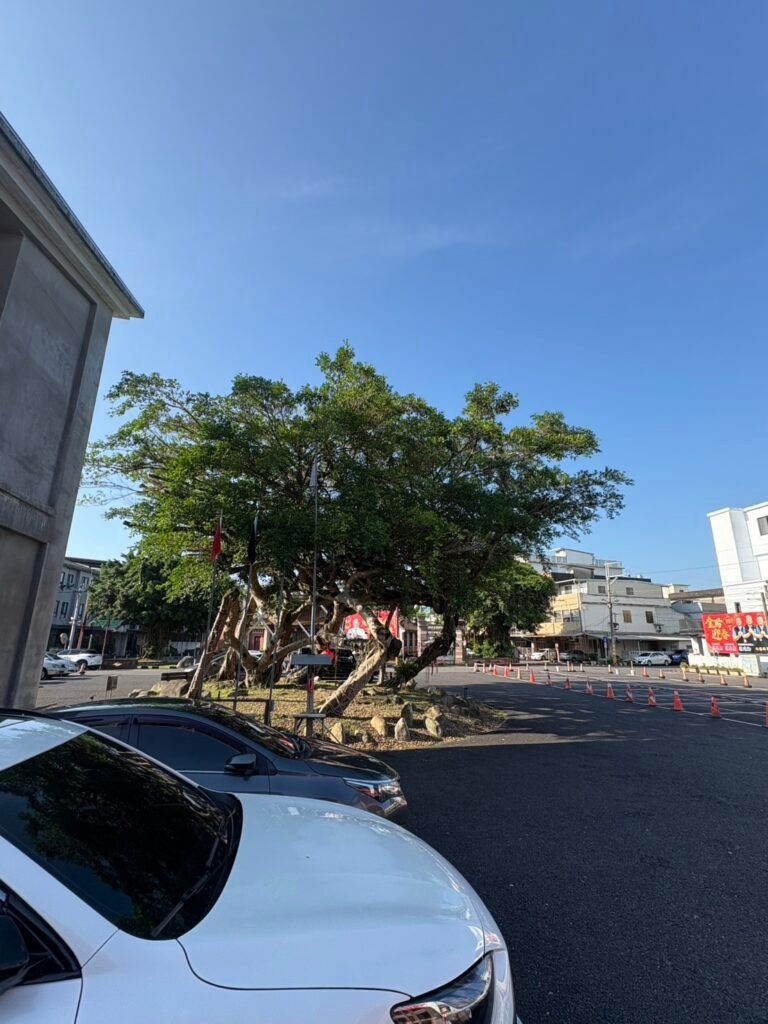
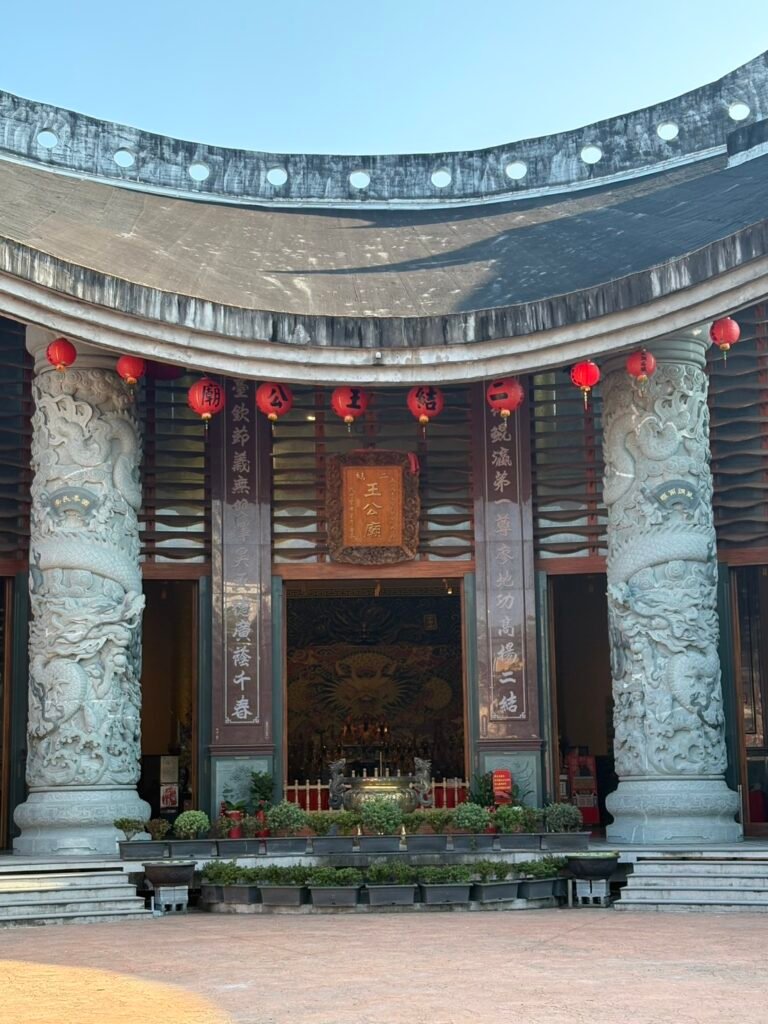
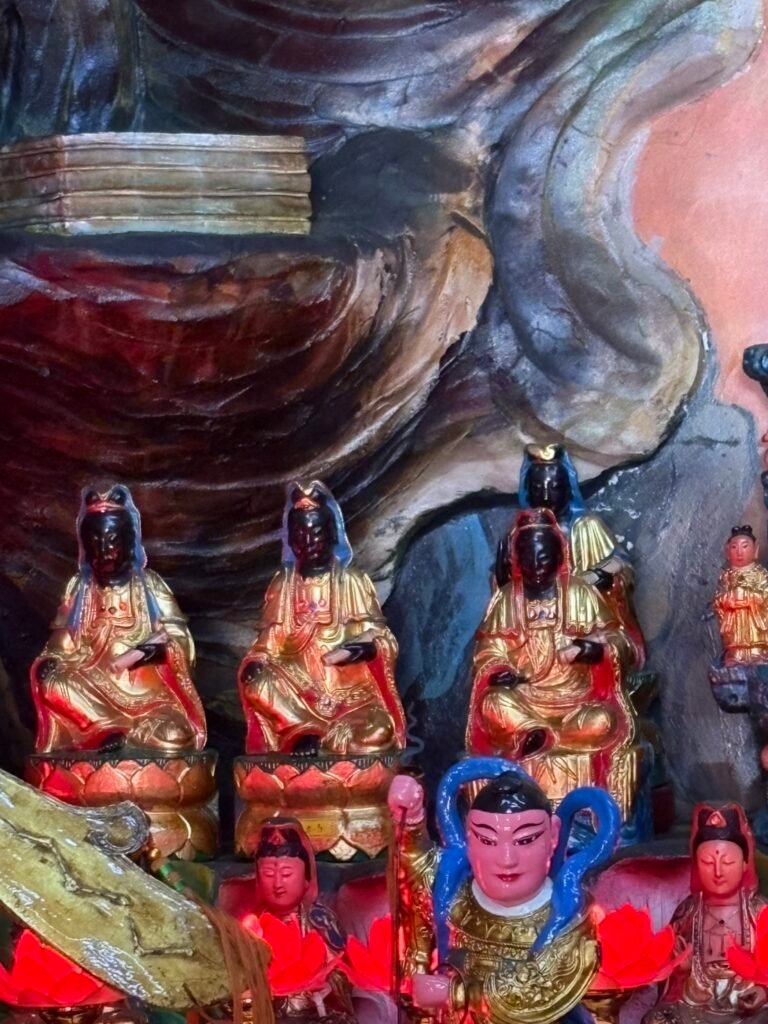
Visiting the temple, I was struck by the contrast between its reputation and what I actually found. The buildings are impressive, clean, and active. Worship continues, pilgrims arrive, and the temple remains an important center of community life. Yet almost all of the statues visible to visitors appear to be modern. During my visit I saw no obviously old wooden deity figures on public display. Like many temples in Taiwan, the historic layers seem to have been replaced over time by newer images.
What surprised me most was the absence of information. There was no caretaker available to explain the history of the temple, no discussion of older statues, and little guidance for visitors seeking to understand the origins of the cult. A casual visitor could easily leave knowing almost nothing about the remarkable history of the site.
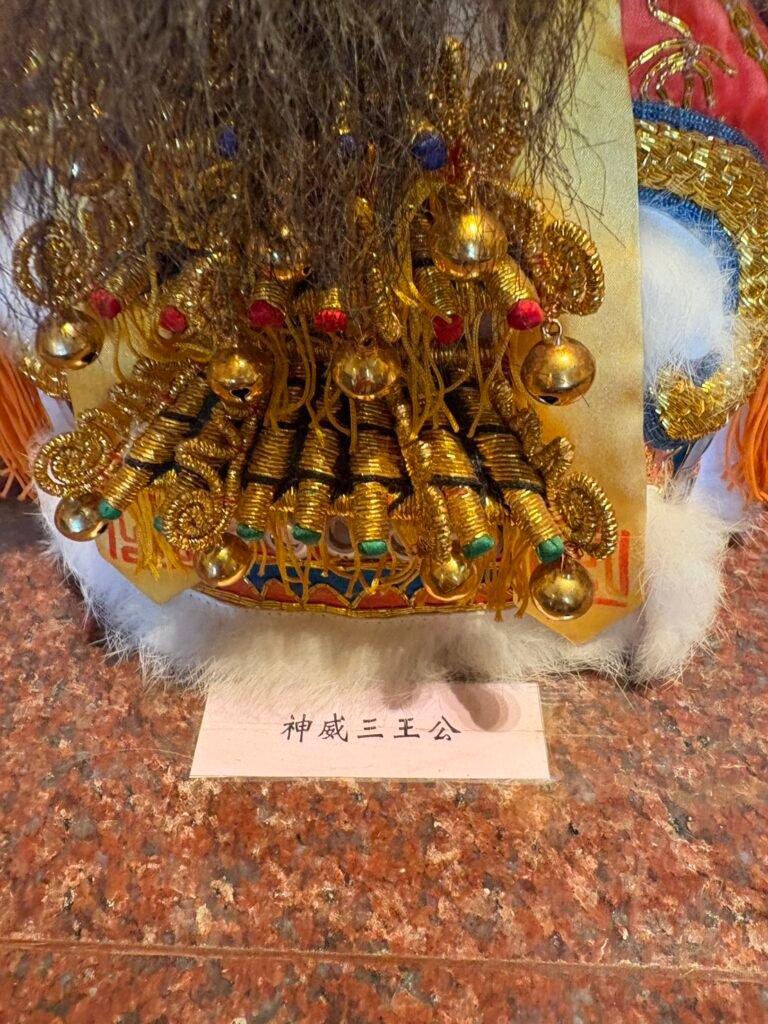
This experience mirrors what I have encountered repeatedly throughout Yilan. Many temples possess centuries of history, yet much of that history is no longer visible. The old statues, ritual objects, and documentary records often seem to have disappeared from public view. Whether they were discarded, replaced, stored away, or transferred elsewhere is often difficult to determine. The result is a curious feeling of disconnection. The faith survives, but much of the physical evidence of earlier generations has vanished from the public eye.
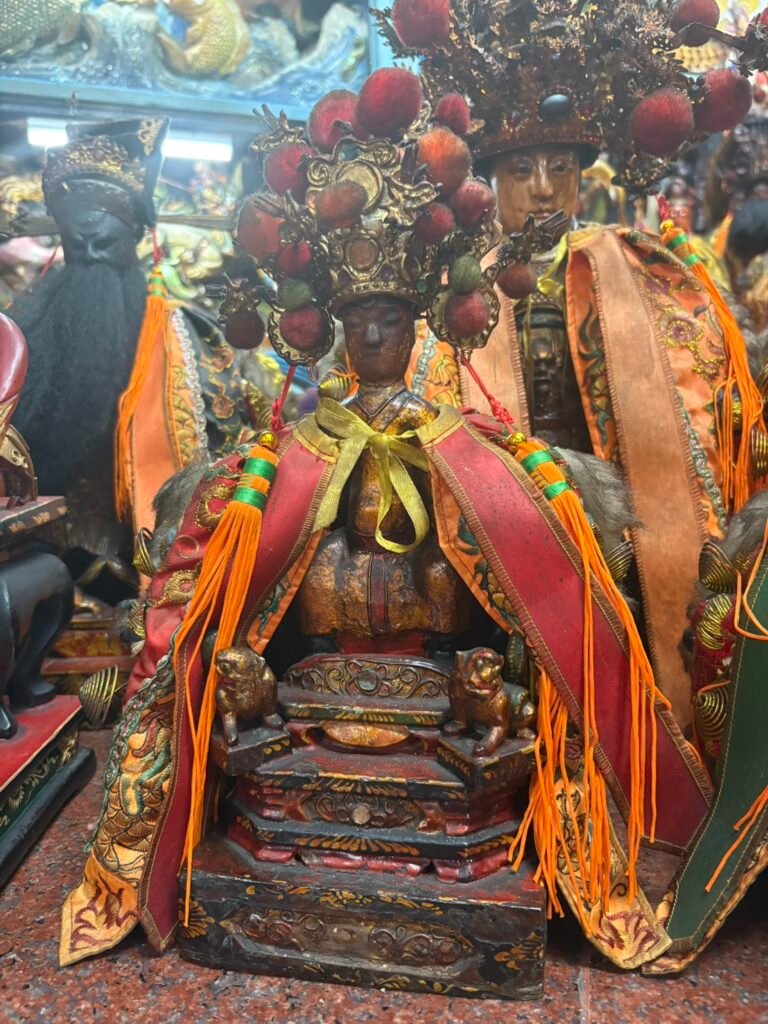
As I walked through the temple, I could not help thinking about a set of Gu Gong San Wang statues in my own collection. Years ago, Master Lin told me that they had come from Erjie Wang Gong Temple. Today, after seeing the modern statues now on display, I found myself looking at those old figures in a different way. If their provenance is correct, they may preserve details of an earlier visual tradition that is no longer visible inside the temple itself.
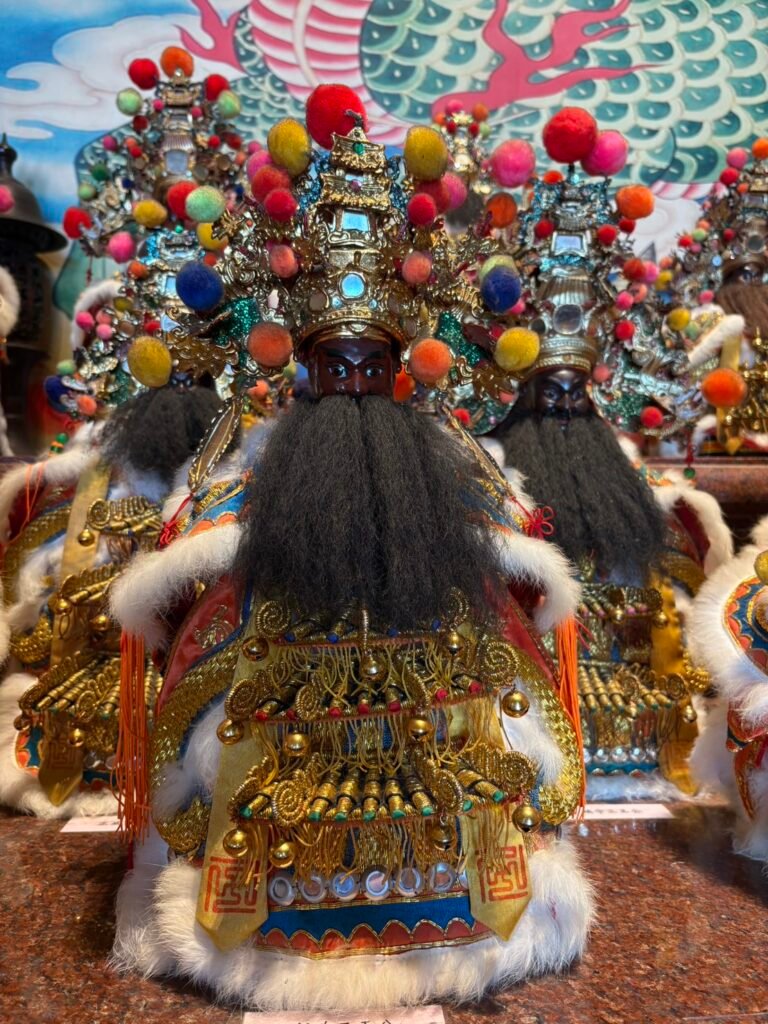
One of the most interesting discoveries is that the three figures are not identical. Each king has a distinct face, expression, and personality. The central figure appears more regal and commanding, while the others possess their own individual characteristics. Modern temple visitors would never know this from the current displays. The old statues suggest that earlier generations may have viewed the three kings not simply as a collective group but as individual personalities with separate identities and roles.
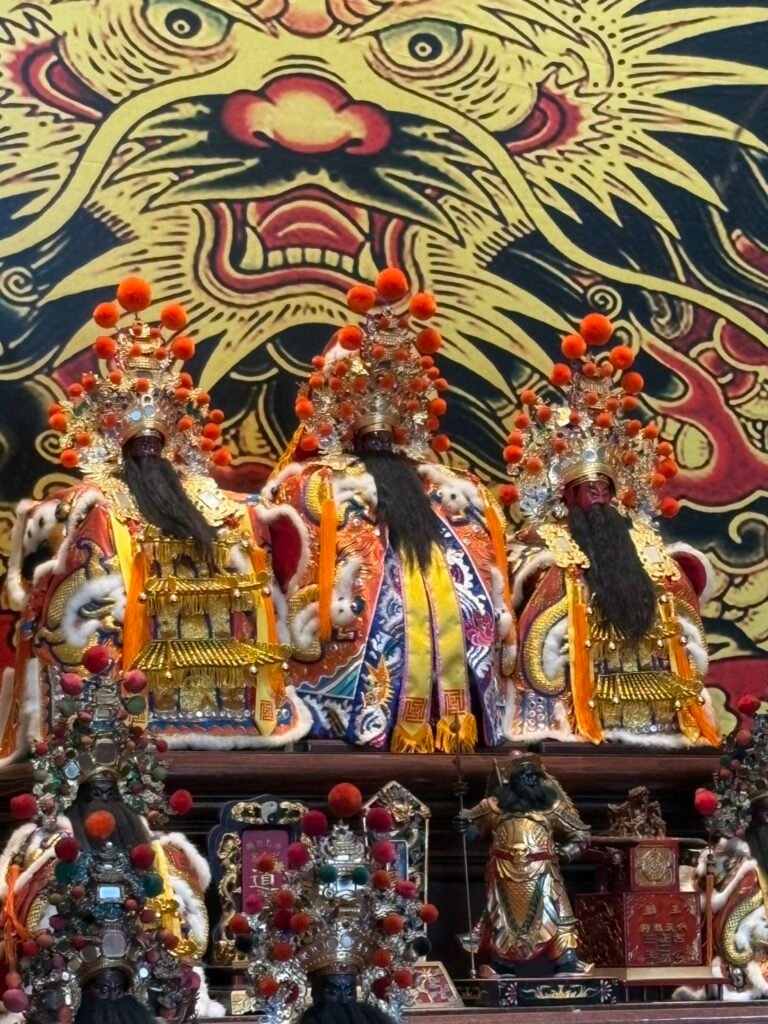
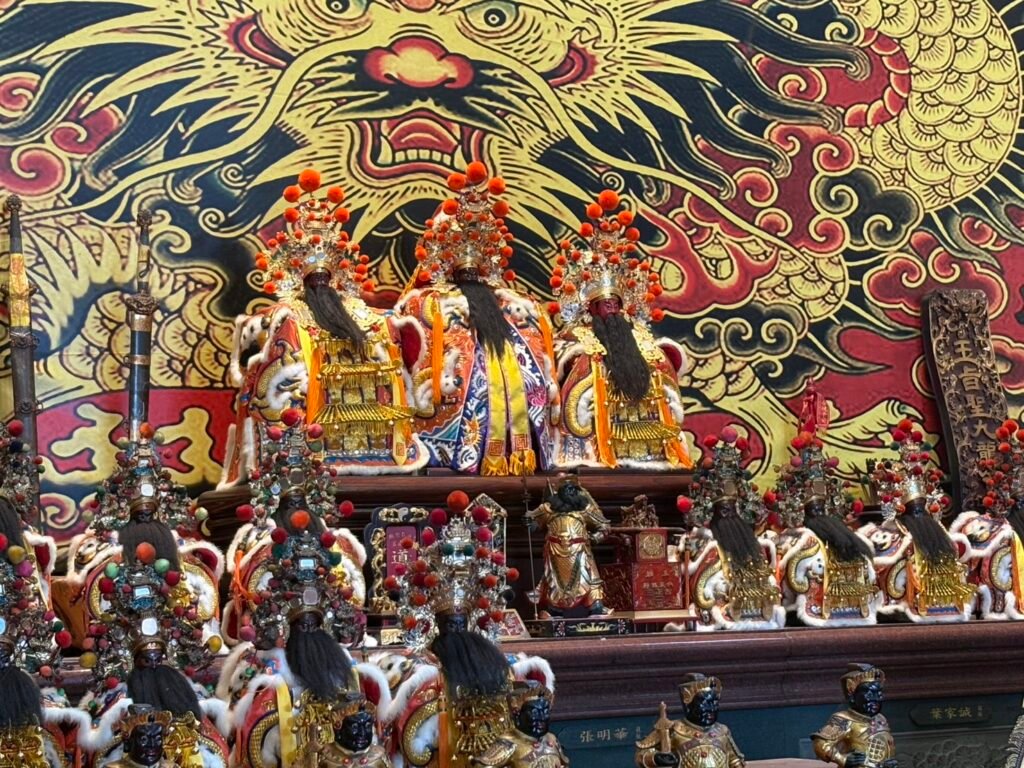
Perhaps that is the lasting impression I took away from this visit. Erjie Wang Gong Temple remains an important religious center, but for anyone interested in the material culture of old Yilan, much of the story now lies elsewhere. The old statues, carvings, and ritual objects that once filled these temples have largely disappeared from public view. In some cases, they may survive only in private collections, storerooms, or forgotten corners of Taiwan.
For me, the visit was not disappointing. Rather, it reinforced the importance of documenting the surviving artifacts that remain. The temples continue to evolve, but the older objects preserve a visual record of how these traditions were understood by earlier generations. In that sense, they are not merely antiques. They are fragments of a history that is becoming increasingly difficult to see.
Join the conversation