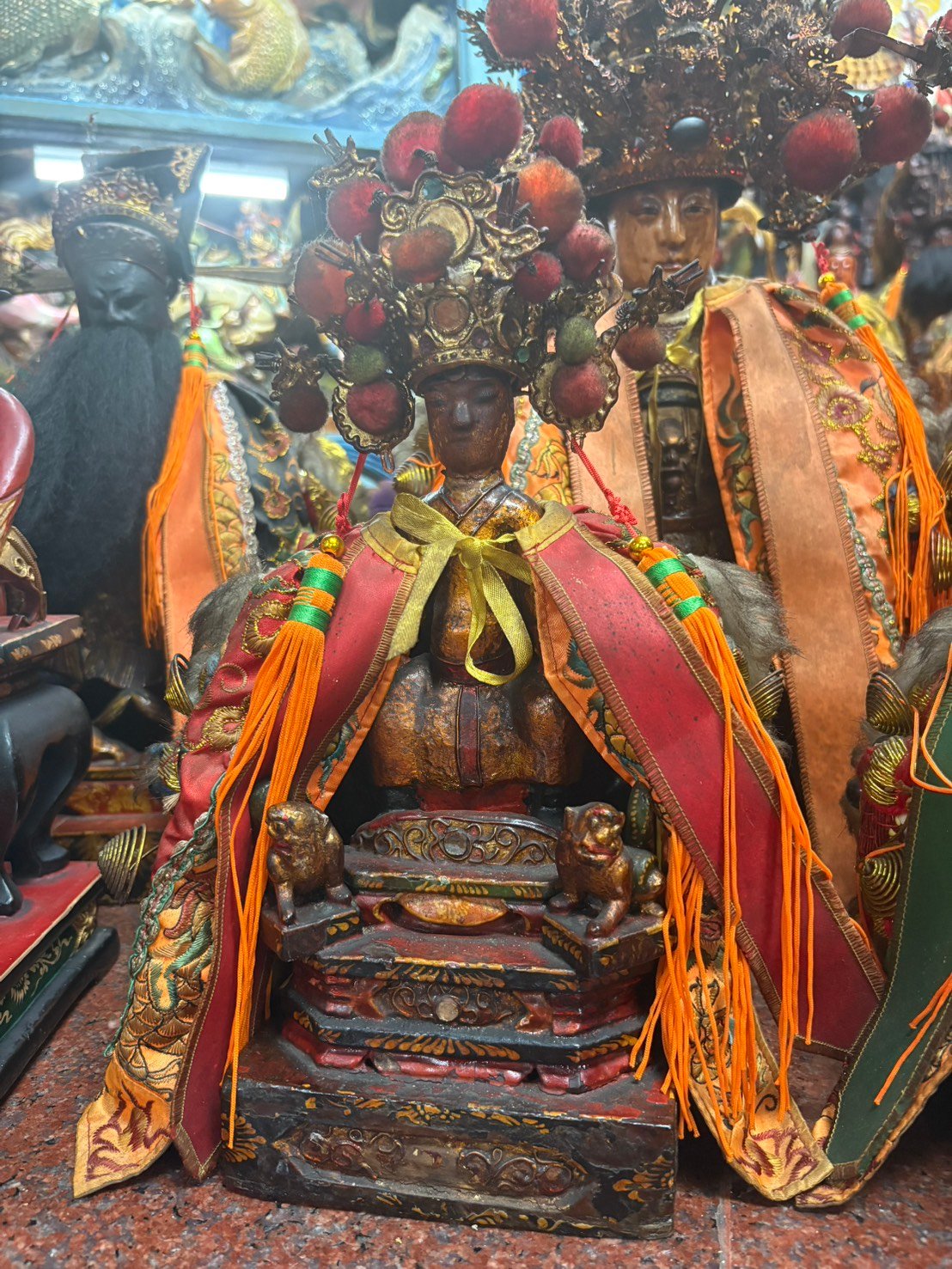
Imperial Scholar (Xiucai, 秀才) was the first degree awarded through China’s imperial civil service examination system. Successful candidates became members of the educated elite and often served as teachers, community leaders, and respected scholars.
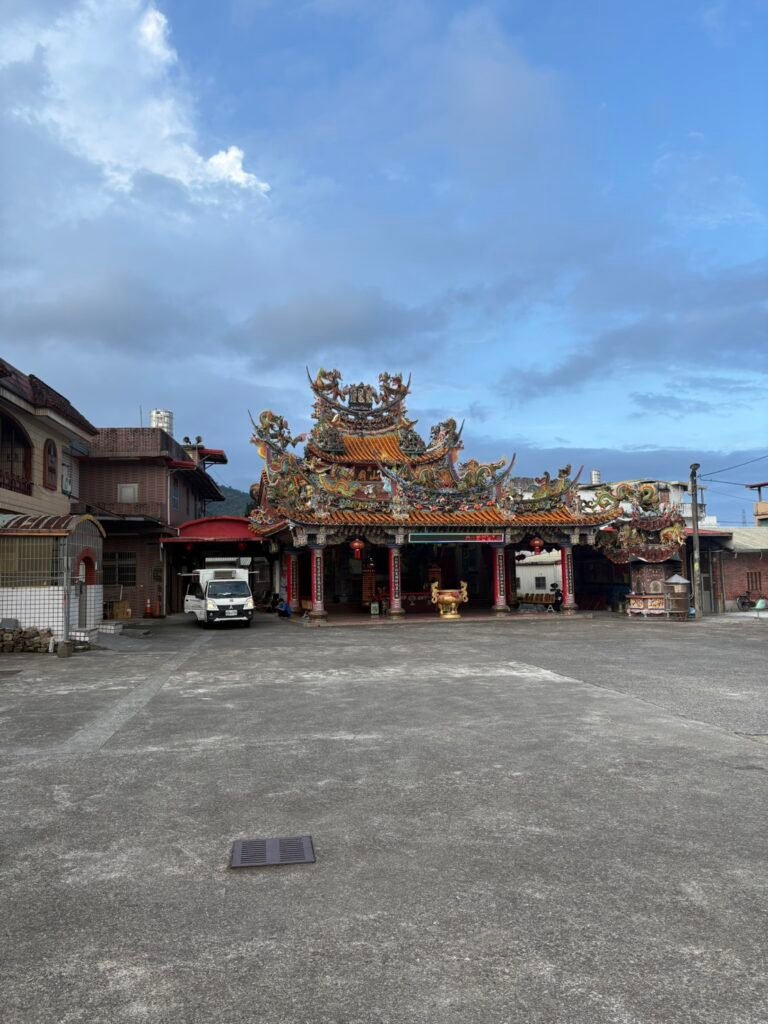
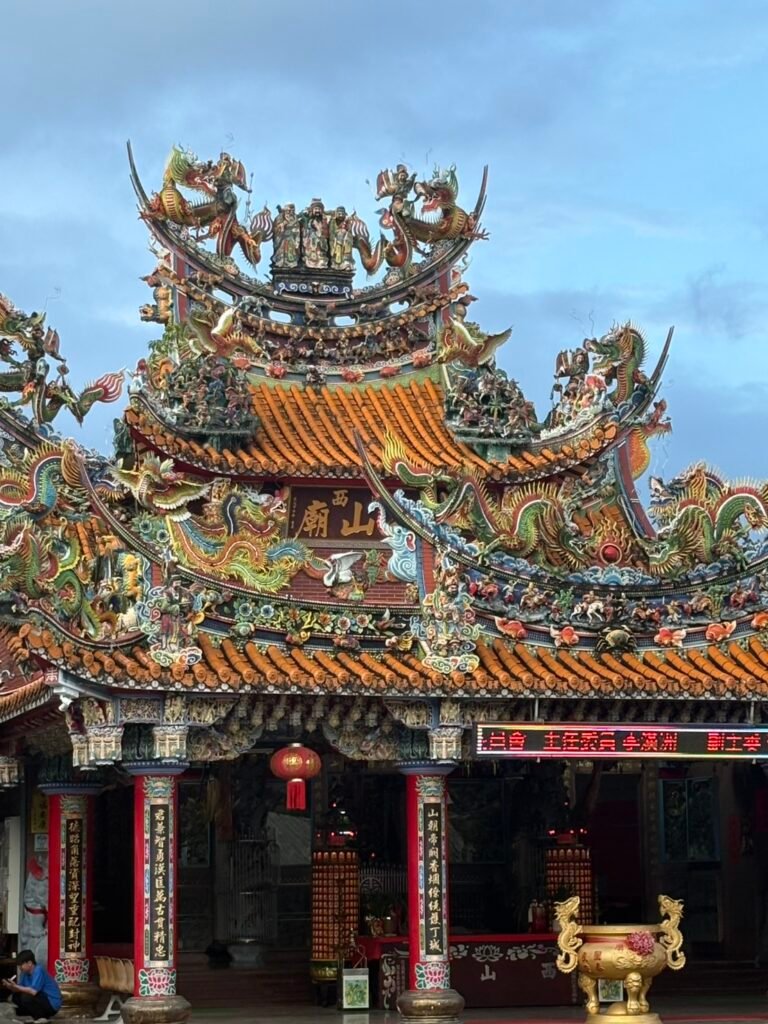
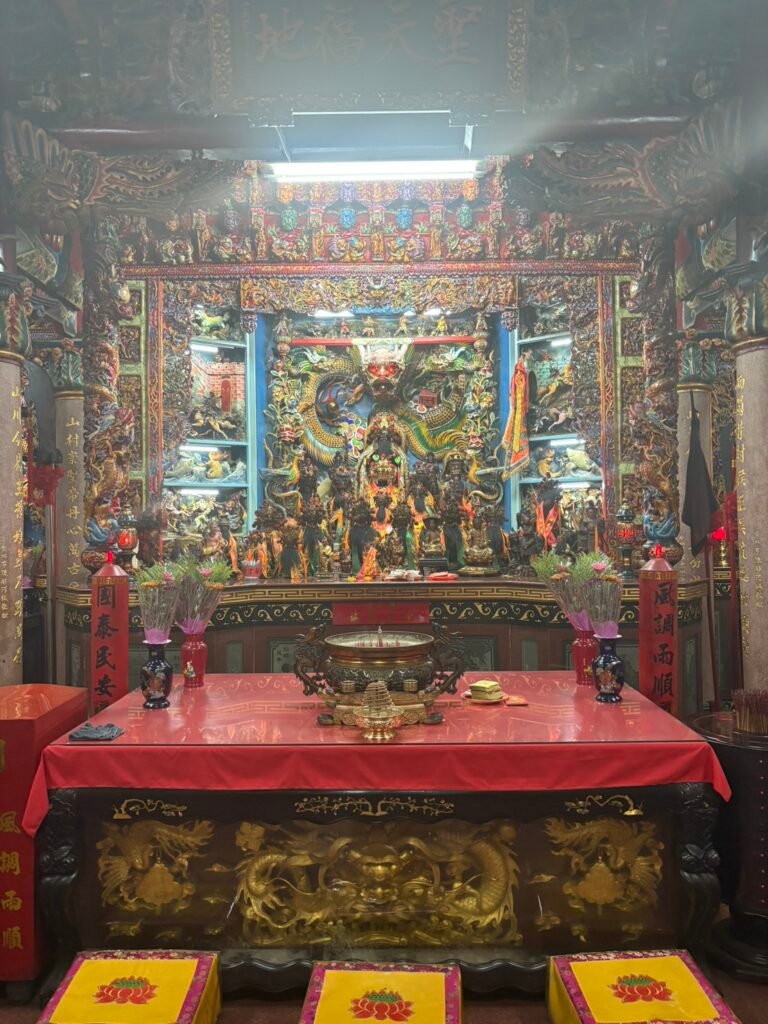
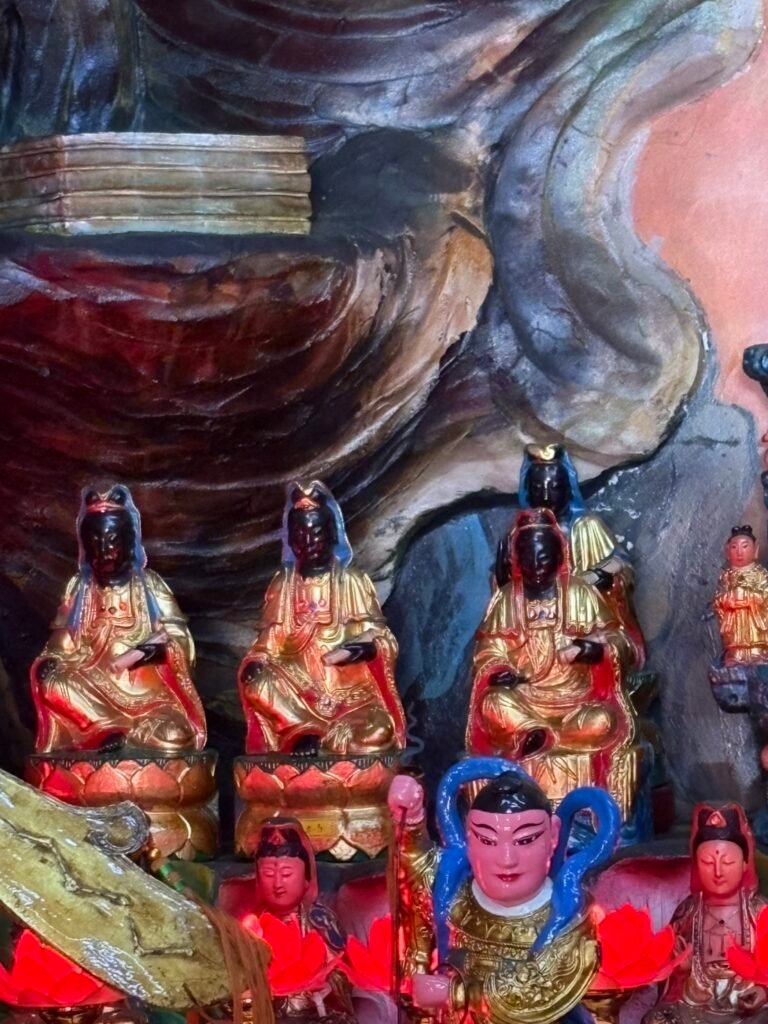
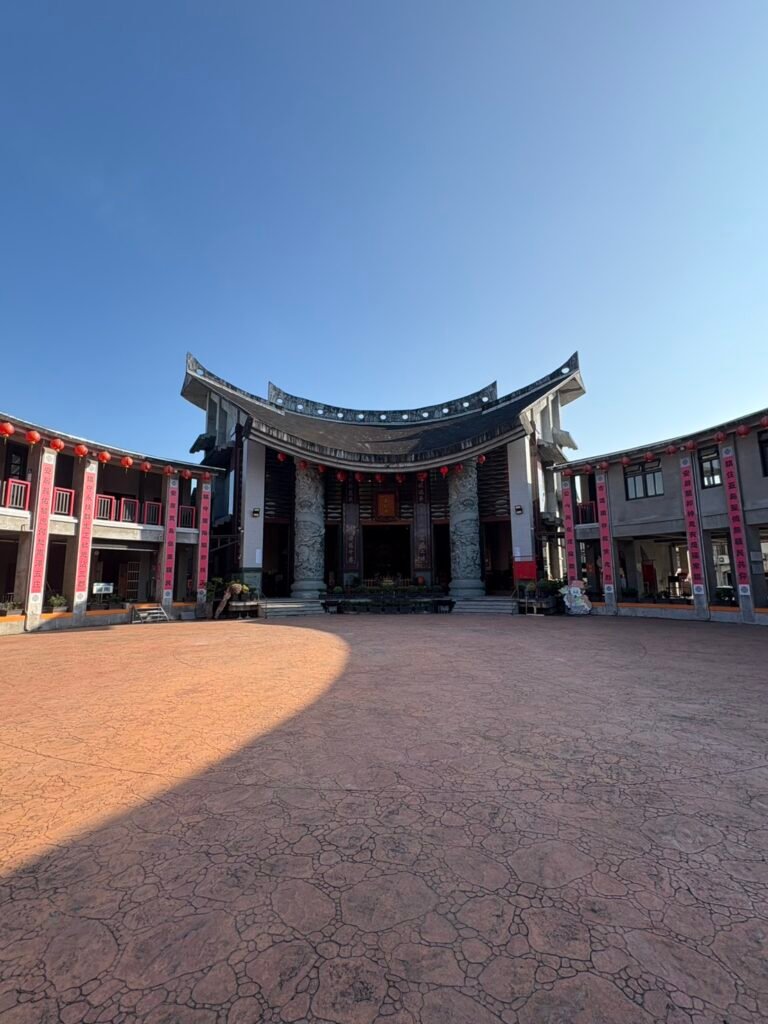
Nestled amid the picturesque countryside of Yuanshan Township in Yilan County, Xishan Temple (西山廟) is a traditional rural temple dedicated primarily to Guan Gong (關公). Although the temple’s original founding date is unknown, the present structure was rebuilt in 1977, as recorded on the temple’s commemorative stele. According to the inscription, the temple’s principal image of Guan Gong was respectfully invited from the renowned Jiaoxi Xietian Temple (礁溪協天廟), one of Yilan’s oldest and most revered Guan Gong temples. Today, Xishan Temple also enshrines numerous other deities, including Mazu, Tudi Gong, Shennong, and several other figures of Taiwanese folk religion.
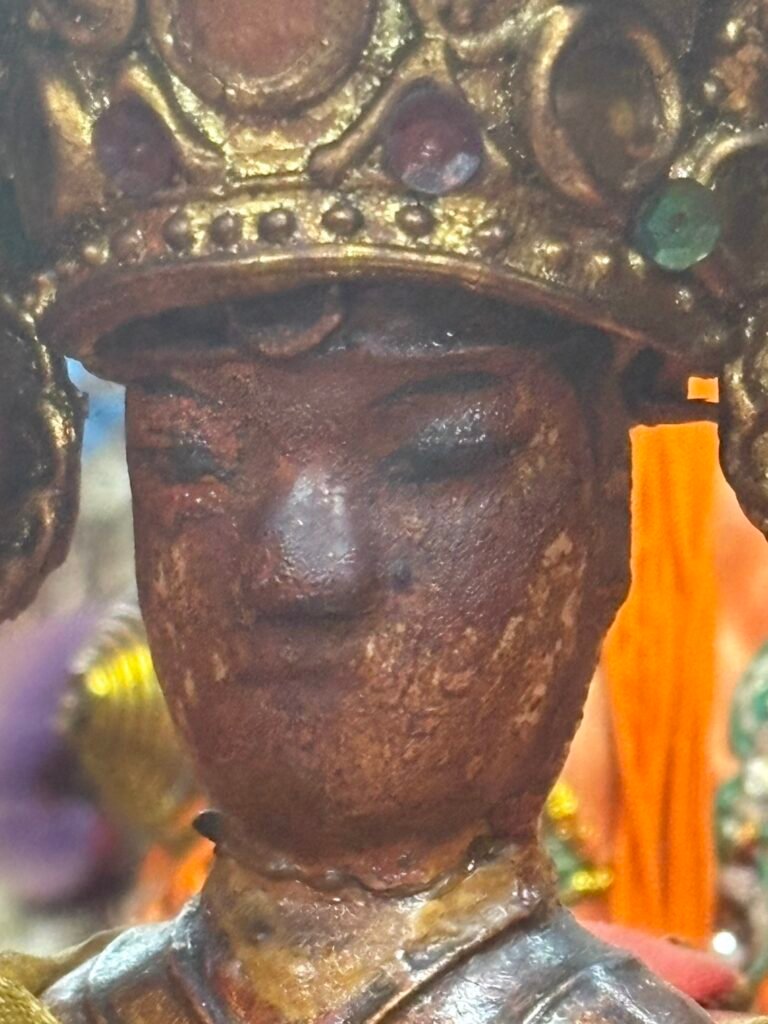
Among the temple’s lesser-known treasures is a relatively rare wooden statue of Xiucai Ye (秀才爺) or Imperial Scholar. The antique figure portrays a young scholar dressed in traditional Qing-period attire, wearing a scholar’s cap and flowing robes while seated upon an elaborately carved official’s throne. His calm and dignified expression reflects the refinement and learning traditionally associated with successful scholars, while the carving displays pleasing proportions and finely executed details throughout the robes, throne, and decorative guardian beasts.
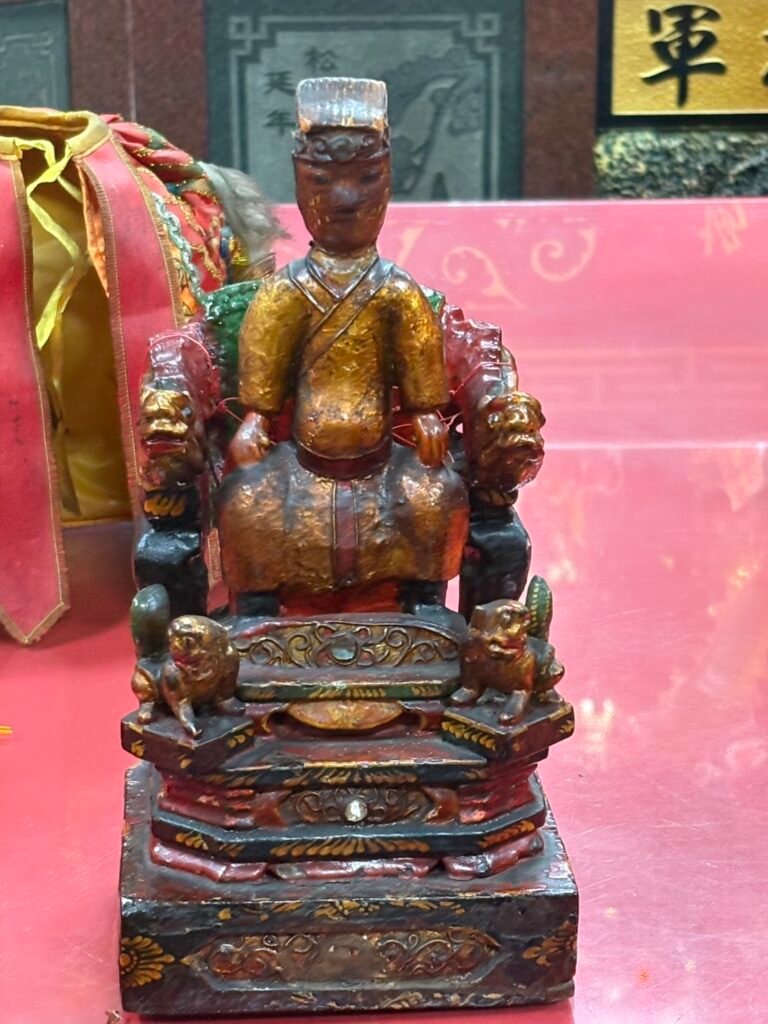
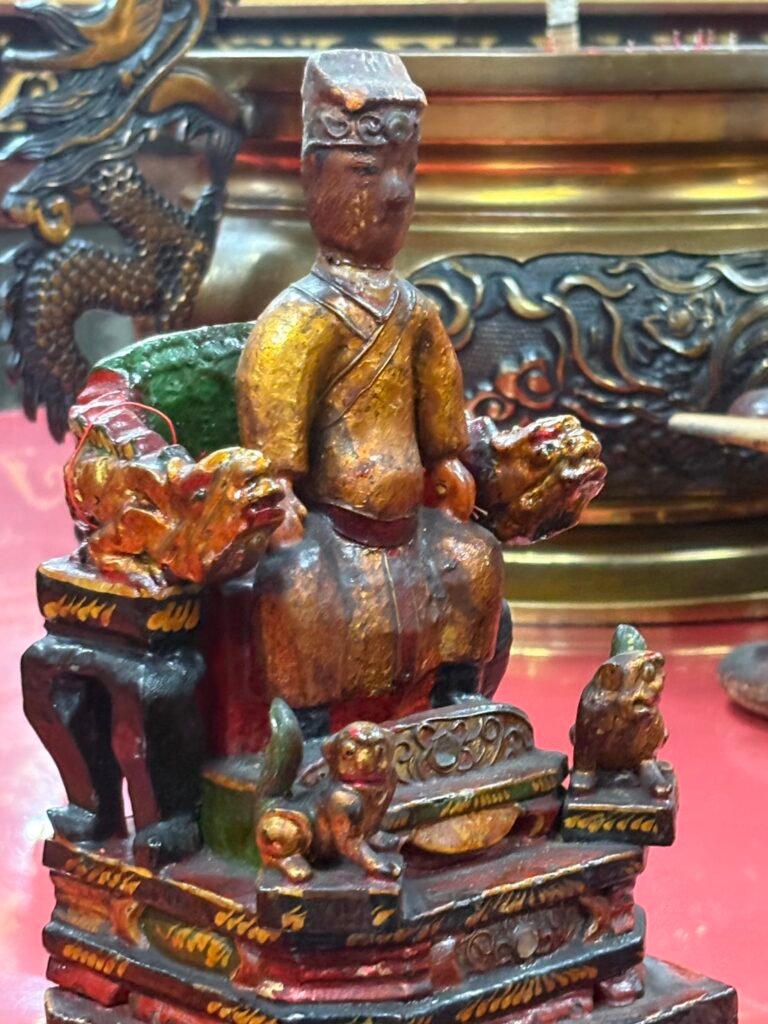
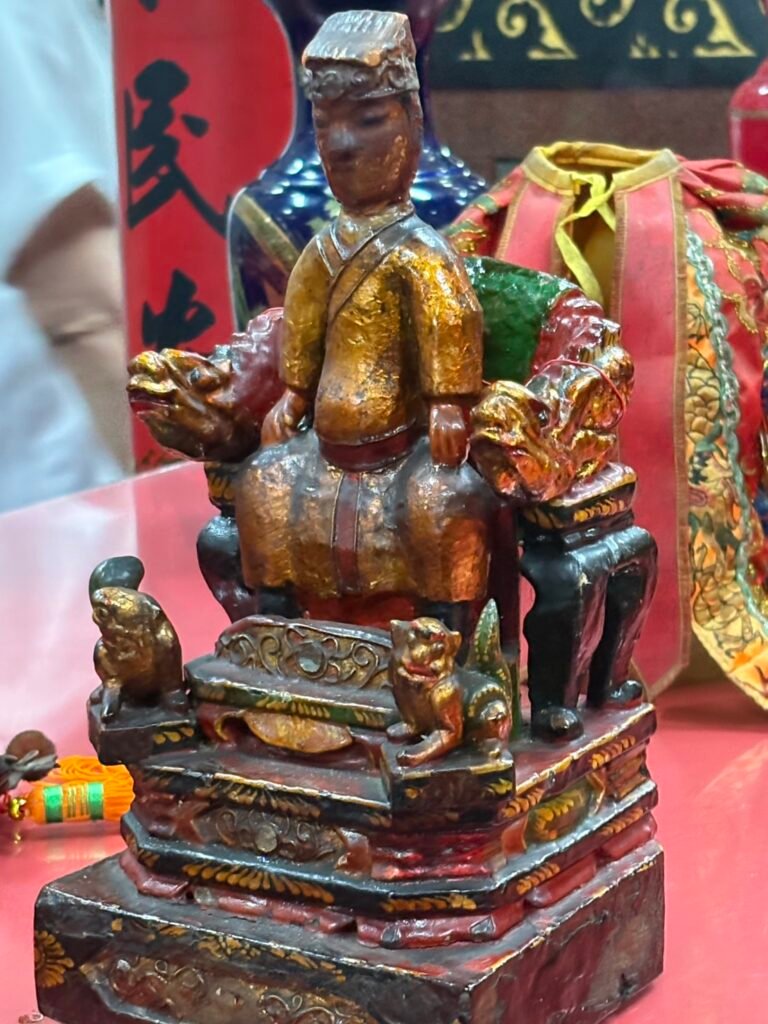
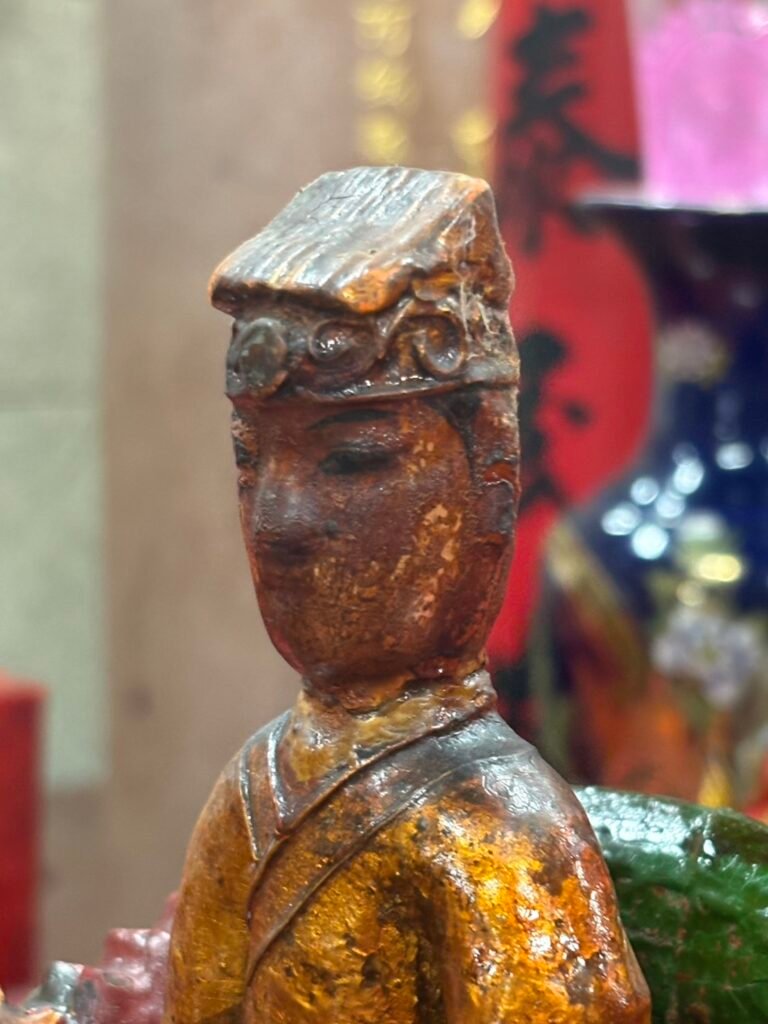
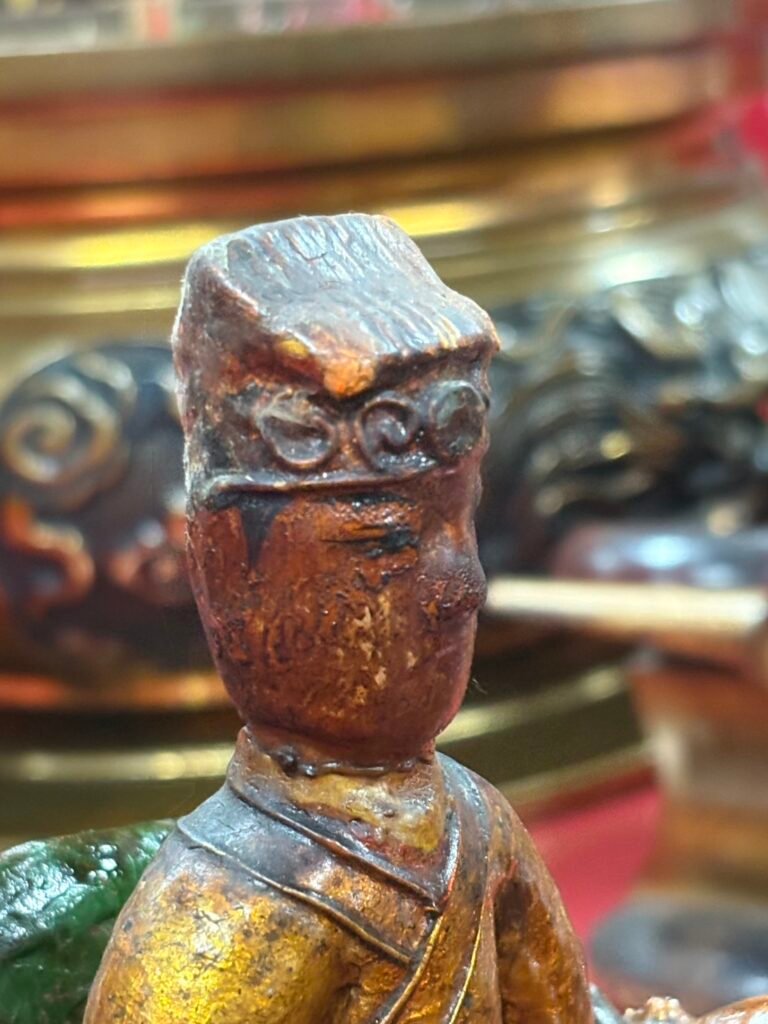
The statue’s provenance is both intriguing and incomplete. During my visit, the gracious temple custodians explained that the figure was formerly enshrined in a small roadside shrine somewhere within the Yuanshan area. After that shrine was demolished, the image eventually came into the care of Xishan Temple, where it remains today. Unfortunately, no records survive explaining when, by whom, or under what circumstances the transfer took place, nor is the identity of the scholar represented by the statue now known. As a result, this Xiucai remains one of the many small but fascinating mysteries of Yilan’s religious heritage, preserving a glimpse of a once-living local tradition whose story has largely faded from memory.
Join the conversation